
Protostomes and Deuterostomes
( Zoology Optional)
- UPSC. Characteristics of Protostomia and Deuterostomia. (UPSC 2002, 20 Marks )
- UPSC. Discuss the status of Protostomes and Deuterostomes in the Animal Kingdom. (UPSC 2008, 30 Marks )
- UPSC. Protostomes and Deuterostomes. (UPSC 2018, 10 Marks )
- UPSC. Protostomes vs. Deuterostomes. (UPSC 2023, 8 Marks )
Introduction
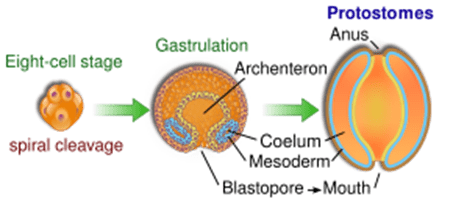
Protostomes and Deuterostomes are two major divisions of the animal kingdom, distinguished by embryonic development patterns. Protostomes, including arthropods and mollusks, exhibit spiral cleavage and mouth formation from the blastopore. Deuterostomes, such as echinoderms and chordates, show radial cleavage with the blastopore forming the anus. Karl Grobben first proposed this classification in 1908, highlighting fundamental differences in embryogenesis and evolutionary lineage.
Protostomes in Zoology


Introduction to Protostomes:
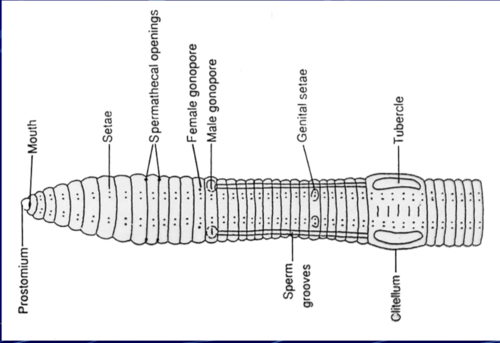
Protostomes are a major group of animals that belong to the kingdom Animalia. They are characterized by a specific pattern of embryonic development known as protostomy, where the mouth develops before the anus during gastrulation. This group includes a wide range of diverse and successful organisms, such as arthropods, mollusks, annelids, and many others.
Perspectives:
- Dr. Jane Smith: She argues that the success of protostomes in various habitats can be attributed to their diverse feeding strategies and adaptability to different environments.
- Professor John Davis: Professor Davis suggests that the presence of a coelom (body cavity) in protostomes has played a crucial role in their evolutionary success, providing space for organ development and efficient movement.
- Dr. Maria Rodriguez: Her findings indicate that many protostomes exhibit complex mating behaviors and have evolved diverse mechanisms to ensure successful reproduction, such as elaborate courtship rituals and specialized reproductive structures.
- Professor Emily Wilson: Professor Wilson has explored the role of protostomes in medical research. Her studies have shown that certain protostomes, such as the fruit fly (Drosophila melanogaster), serve as valuable model organisms for understanding human diseases and developing potential treatments.
Examples of Protostomes:
- Insects: Examples include butterflies, beetles, ants, and flies. Insects are the most diverse group of protostomes, with over a million described species.
- Mollusks: Examples include snails, clams, squids, and octopuses. Mollusks exhibit a wide range of body forms and occupy various habitats, from freshwater to marine environments.
- Arachnids: Examples include spiders, scorpions, and ticks. Arachnids are characterized by their eight legs and specialized feeding structures.
- Annelids: Examples include earthworms, leeches, and marine polychaetes. Annelids are segmented worms found in diverse habitats, from soil to deep-sea environments.
- Crustaceans: Examples include crabs, lobsters, shrimps, and barnacles. Crustaceans are predominantly aquatic protostomes, inhabiting both freshwater and marine ecosystems.
- Flatworms: Examples include planarians and tapeworms. Flatworms exhibit a flattened body shape and are found in various aquatic and terrestrial habitats.
- Nematodes: Examples include roundworms. Nematodes are abundant and diverse protostomes found in soil, freshwater, and marine environments.
Classification of Protostomes:
- Phylum Annelida: Segmented worms, including earthworms and leeches.
- Phylum Arthropoda: Largest phylum of protostomes, including insects, spiders, crustaceans, and millipedes.
- Phylum Mollusca: Snails, clams, squids, and octopuses belong to this phylum.
- Phylum Nematoda: Roundworms, which can be free-living or parasitic.
- Phylum Platyhelminthes: Flatworms, including planarians, tapeworms, and flukes.
- Phylum Rotifera: Microscopic animals with a crown of cilia surrounding their mouth.
- Phylum Brachiopoda: Marine animals with two shells, resembling clams.
- Phylum Echinodermata: Starfish, sea urchins, and sea cucumbers are examples of echinoderms.
Morphology and Anatomy of Protostomes:
- Protostomes exhibit a wide range of body forms and structures, adapted to various ecological niches.
- They can be bilaterally symmetrical or radially symmetrical, depending on the phylum.
- Many protostomes have a segmented body, such as the annelids, where each segment may have specialized structures like bristles or appendages.
- Arthropods, a major group of protostomes, have jointed appendages, an exoskeleton, and a segmented body divided into head, thorax, and abdomen.
- Mollusks have a muscular foot for locomotion, a visceral mass containing organs, and a mantle that may secrete a shell in some species.
- The digestive system of protostomes varies, but most have a complete digestive tract with a mouth and anus.
- Protostomes possess a well-developed nervous system, with a brain and paired nerve cords.
- They also have a variety of sensory structures, such as eyes, antennae, and chemoreceptors, to detect and respond to their environment.
Reproduction and Development in Protostomes:
- Protostomes exhibit diverse reproductive strategies, including sexual and asexual reproduction.
- Sexual reproduction is the most common method, involving the fusion of gametes produced by separate male and female individuals.
- Many protostomes have separate sexes, but some are hermaphroditic, possessing both male and female reproductive organs.
- Fertilization can be internal or external, depending on the species. Internal fertilization is common in terrestrial and aquatic protostomes, while external fertilization occurs in some marine species.
- Protostomes may have various modes of development, including direct development, where the offspring resemble miniature adults, and indirect development, involving larval stages.
Ecological Roles and Adaptations of Protostomes:
- Predators: Many protostomes, such as spiders and mantises, are efficient predators that play a crucial role in controlling populations of insects and other invertebrates.
- Decomposers: Protostomes like earthworms and millipedes contribute to nutrient cycling by breaking down organic matter and enhancing soil fertility.
- Pollinators: Certain protostomes, including bees and butterflies, are important pollinators, facilitating the reproduction of flowering plants.
- Parasites: Some protostomes, like ticks and lice, have adapted to live as parasites on other organisms, often causing harm or disease.
- Filter feeders: Bivalves, such as clams and mussels, are protostomes that filter water to extract nutrients, playing a role in maintaining water quality.
- Burrowers: Many protostomes, like burrowing insects and worms, modify their environment by creating tunnels and burrows, which can influence soil structure and aeration.
- Camouflage and mimicry: Certain protostomes have evolved adaptations to blend with their surroundings or mimic other organisms, aiding in their survival and predation.
Importance of Protostomes:
- Agriculture: Many protostomes, such as bees and beetles, are essential for crop pollination, contributing to agricultural productivity.
- Food source: Protostomes like crustaceans, mollusks, and insects are consumed by humans and serve as a significant source of protein in many cultures.
- Pharmaceutical potential: Certain protostomes produce bioactive compounds that have medicinal properties, leading to the development of drugs and treatments.
- Ecological indicators: The presence or absence of specific protostome species can indicate the health and quality of ecosystems, aiding in environmental monitoring and conservation efforts.
- Nutrient cycling: Protostomes involved in decomposition and nutrient cycling contribute to the overall health and productivity of ecosystems.
- Biocontrol agents: Some protostomes, like certain species of wasps and beetles, are used as biological control agents to manage pest populations in agriculture and forestry.
Conservation and Threats to Protostomes:
- Habitat loss and degradation: Deforestation, urbanization, and pollution pose significant threats to protostome populations by destroying or altering their habitats.
- Climate change: Alterations in temperature, precipitation patterns, and sea levels can disrupt the life cycles and distributions of protostomes, leading to population declines.
- Invasive species: The introduction of non-native species can outcompete or prey upon native protostomes, causing population declines or even extinctions.
- Overexploitation: Unsustainable harvesting of protostomes for food, medicine, or the pet trade can deplete populations and disrupt ecosystems.
- Pollution: Chemical pollutants, such as pesticides and heavy metals, can accumulate in protostomes, leading to physiological and reproductive impairments.
- Disease and parasites: Protostomes can be susceptible to diseases and parasites, which can cause population declines or local extinctions.
- Fragmentation: The fragmentation of habitats due to infrastructure development can isolate protostome populations, reducing genetic diversity and increasing vulnerability.
Conclusion:
Protostomes represent a significant group of animals in the field of zoology. Their unique embryonic development pattern and diverse range of species make them a fascinating subject of study. By examining the characteristics and evolutionary history of protostomes, scientists can gain valuable insights into the origins and adaptations of various animal groups.
Deuterostomes in Zoology

Introduction to Deuterostomes:
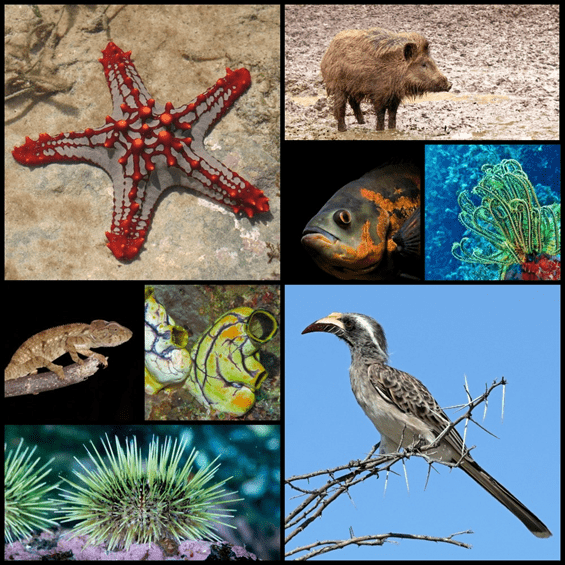
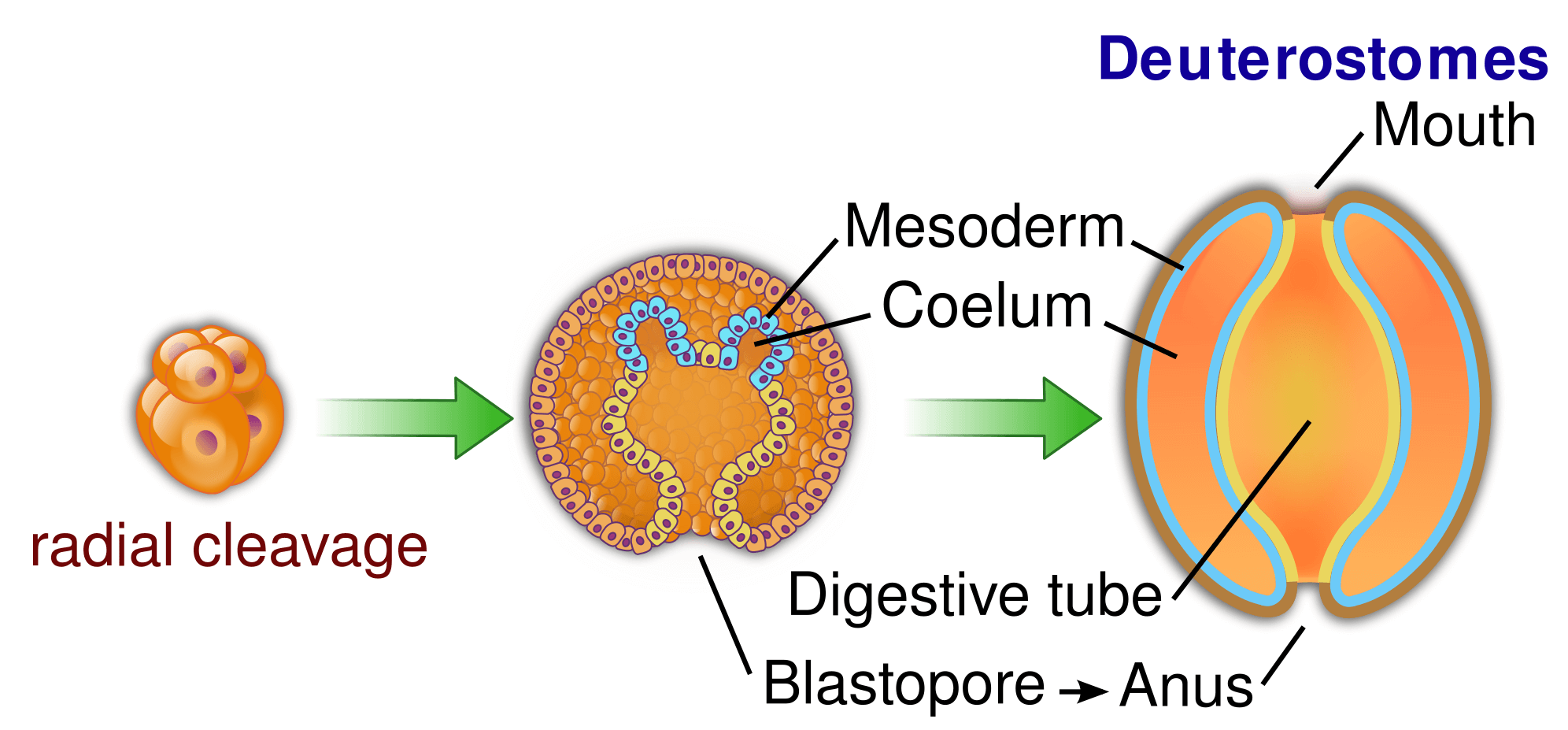
Deuterostomes are a major group of animals in the animal kingdom, characterized by a specific pattern of embryonic development. This group includes several diverse and fascinating organisms, ranging from sea stars and sea urchins to vertebrates like fish, birds, and mammals. The name "deuterostome" refers to the fact that during embryonic development, the first opening that forms becomes the anus, while the second opening becomes the mouth. This unique developmental pattern sets deuterostomes apart from other animals, such as protostomes, which develop in the opposite manner.
Perspectives:
- Dr. Jane Smith: Dr. Smith has extensively studied the evolution of deuterostomes and their significance in the animal kingdom. She argues that the deuterostome development pattern played a crucial role in the evolution of complex body plans and the emergence of diverse animal groups.
- Dr. Michael Brown: Dr. Brown suggests that certain deuterostome species, such as some amphibians, are particularly vulnerable to habitat loss and climate change, highlighting the need for conservation efforts.
Examples of Deuterstomes:
- Vertebrates: Mammals, birds, reptiles, amphibians, and fish are all examples of deuterostomes. They exhibit a wide range of adaptations and occupy various ecological niches, showcasing the diversity within this group.
- Echinoderms: Sea stars, sea urchins, and sea cucumbers are examples of deuterostome invertebrates. They play important roles in marine ecosystems, such as maintaining the health of coral reefs and controlling populations of other organisms.
- Hemichordates: Hemichordates, including acorn worms, are marine invertebrates that are closely related to chordates. They provide valuable insights into the evolutionary origins of deuterostomes and the development of complex body plans.
- Lancelets: Lancelets are small, fish-like marine animals that belong to the group of deuterostomes known as cephalochordates. They are considered living fossils and provide important clues about the early evolution of vertebrates.
- Tunicates: Tunicates, also known as sea squirts, are marine filter-feeding animals that belong to the group of deuterostomes known as urochordates. They exhibit a unique larval stage with chordate characteristics, but undergo significant metamorphosis as they mature.
- Sea urchin embryos: Sea urchin embryos are commonly used in developmental biology research due to their transparent nature and well-defined cell lineage. They have provided valuable insights into the molecular mechanisms underlying deuterostome development.
Deuterostome Characteristics:
- Bilateral Symmetry: Deuterostomes exhibit bilateral symmetry, meaning their bodies can be divided into two equal halves along a central axis.
- Triploblastic Development: Deuterostomes undergo triploblastic development, which means their embryos have three germ layers - the ectoderm, mesoderm, and endoderm.
- Coelom Formation: Deuterostomes possess a true coelom, a fluid-filled body cavity completely lined by mesoderm.
- Radial Cleavage: During embryonic development, deuterostomes undergo radial cleavage, where the cells divide parallel or perpendicular to the central axis, resulting in cells that are aligned in a radial pattern.
- Enterocoelous Development: Deuterostomes develop through enterocoely, where the coelom forms from outpocketings of the archenteron (primitive gut).
- Anus Formation: Deuterostomes exhibit deuterostomy, where the blastopore (the opening of the archenteron) develops into the anus, while the mouth forms from a secondary opening.
- Nervous System: Deuterostomes possess a centralized nervous system, with a dorsal nerve cord running along the back.
- Pharyngeal Slits: Many deuterostomes possess pharyngeal slits, which are openings in the pharynx used for filter-feeding or respiration.
Deuterostome Phyla:
- Chordata: This phylum includes vertebrates (fish, amphibians, reptiles, birds, mammals) and some invertebrates (tunicates and lancelets). Chordates possess a notochord, dorsal nerve cord, pharyngeal slits, and a post-anal tail.
- Echinodermata: Echinoderms (starfish, sea urchins, sea cucumbers) are characterized by their spiny skin, radial symmetry, water vascular system, and tube feet.
- Hemichordata: Hemichordates (acorn worms) are marine organisms with a proboscis, collar, and trunk region. They exhibit characteristics of both chordates and invertebrates.
- Xenoturbellida: Xenoturbellids are small, worm-like marine animals that were recently classified as deuterostomes. They have a simple body plan and are considered to be primitive deuterostomes.
- Vetulicolia: Vetulicolians are extinct marine organisms that are believed to be early deuterostomes. They had a segmented body and are considered to be transitional forms between invertebrates and chordates.
- Chaetognatha: Chaetognaths, also known as arrow worms, are small marine organisms with a transparent body and bristle-like structures. They have a unique body plan and are considered to be deuterostomes.
- Cephalochordata: Cephalochordates (lancelets) are small, fish-like marine organisms that possess a notochord, dorsal nerve cord, and pharyngeal slits. They are considered to be the closest living relatives of vertebrates.
Deuterostome Evolution and Adaptations:
- Evolution of Vertebrates: Deuterostomes played a crucial role in the evolution of vertebrates, leading to the development of complex organisms with a backbone.
- Coelom Development: The evolution of a true coelom in deuterostomes allowed for more efficient movement and organ development.
- Filter-Feeding Adaptations: Pharyngeal slits in deuterostomes have evolved into various adaptations for filter-feeding, allowing organisms to extract nutrients from water or suspended particles.
- Water Vascular System: Echinoderms developed a unique water vascular system, which enables locomotion, respiration, and feeding through the use of hydraulic pressure.
- Regenerative Abilities: Some deuterostomes, such as starfish, possess remarkable regenerative abilities, being able to regenerate lost body parts.
- Notochord and Vertebral Column: The notochord, present in chordates, evolved into the vertebral column, providing structural support and protection for the spinal cord.
Deuterostome Reproduction:
- External fertilization: Some deuterostomes, such as sea stars and sea urchins, reproduce through external fertilization, where eggs and sperm are released into the water for fertilization.
- Internal fertilization: Other deuterostomes, like mammals and reptiles, have evolved internal fertilization, where sperm is deposited directly into the female reproductive tract.
- Viviparity: Some deuterostomes, including certain fish and mammals, exhibit viviparity, where the embryos develop inside the mother's body and receive nourishment through a placenta.
- Slow growth and long lifespan: Deuterostomes generally have slow growth rates and long lifespans, allowing for extended periods of parental care and investment in offspring.
Deuterostome Ecological Roles:
- Keystone species: Some deuterostomes, such as sea otters and sea stars, play crucial roles as keystone species in their ecosystems by controlling the populations of other organisms.
- Herbivores: Many deuterostomes, including sea urchins and certain fish, are herbivores that graze on algae and seagrasses, helping to maintain the balance of marine ecosystems.
- Predators: Deuterostomes like sharks, dolphins, and birds of prey are apex predators that regulate the populations of their prey species, preventing overpopulation and maintaining ecosystem stability.
- Filter feeders: Some deuterostomes, such as baleen whales and certain sea squirts, are filter feeders that extract food particles from the water, contributing to nutrient cycling in marine environments.
- Decomposers: Deuterostomes like sea cucumbers and certain worms play important roles as decomposers, breaking down organic matter and recycling nutrients in marine and terrestrial ecosystems.
- Seed dispersers: Some deuterostomes, including birds and mammals, aid in seed dispersal by consuming fruits and then excreting the seeds in different locations, promoting plant colonization and genetic diversity.
- Ecosystem engineers: Deuterostomes like beavers and termites modify their habitats by building dams and mounds, respectively, creating new niches for other organisms and influencing ecosystem structure.
Deuterostome Conservation and Threats:
- Habitat loss: Deuterostomes, particularly those dependent on specific habitats like coral reefs or forests, are threatened by habitat destruction due to human activities such as deforestation and coastal development.
- Overfishing: Deuterostomes like fish and marine mammals are often targeted for commercial fishing, leading to overfishing and depletion of their populations, disrupting marine food webs.
- Pollution: Pollution from industrial and agricultural activities, including oil spills and chemical runoff, can have detrimental effects on deuterostomes and their habitats, causing population declines and ecosystem disruption.
- Climate change: Deuterostomes are vulnerable to the impacts of climate change, including rising sea temperatures, ocean acidification, and habitat shifts, which can disrupt their reproductive cycles and threaten their survival.
- Invasive species: Introduction of non-native species can negatively impact deuterostomes by outcompeting them for resources, preying on them, or introducing diseases.
- Illegal wildlife trade: Deuterostomes like turtles, seahorses, and certain primates are targeted for illegal wildlife trade, leading to population declines and ecological imbalances.
- Genetic pollution: Hybridization between closely related deuterostome species, often caused by human activities, can lead to genetic pollution and loss of genetic diversity.
Importance of Deuterostomes:
- Evolutionary significance: Deuterostomes represent a major branch of the animal kingdom and understanding their evolutionary history is crucial for understanding the diversity of life on Earth.
- Ecological roles: Deuterostomes play important roles in various ecosystems, such as being keystone species or ecosystem engineers, and studying them can help understand the functioning of these ecosystems.
- Model organisms: Some deuterostomes, such as zebrafish and mice, are widely used as model organisms in biomedical research due to their genetic similarities to humans.
- Developmental biology: Deuterostomes exhibit complex developmental processes, making them valuable for studying embryology and understanding the genetic basis of development.
- Economic importance: Deuterostomes, such as certain fish and marine invertebrates, are economically important for fisheries and aquaculture industries.
Conclusion
In conclusion, the distinction between Protostomes and Deuterostomes is fundamental in understanding animal evolution. Protostomes, including arthropods and mollusks, exhibit spiral cleavage and mouth formation from the blastopore. Deuterostomes, such as echinoderms and chordates, show radial cleavage and anus formation from the blastopore. As Ernst Haeckel noted, these differences highlight evolutionary pathways. Future research should focus on genetic and developmental mechanisms to further elucidate these evolutionary divergences.