
Acoelomate and Coelomate
( Zoology Optional)
- "The presence of a coelom is a key factor in the evolution of complex organ systems." Evaluate this statement with reference to the development of organ systems in coelomate animals. Additionally, explain how acoelomates manage their physiological processes without a coelom.
- UPSC. Acoelomate and coelomate features in animal kingdom. (UPSC 2001, 20 Marks )
- UPSC. Characteristics of Acoelomate and Coelomate with suitable examples and well-labelled diagrams. (UPSC 2005, 20 Marks )
- Compare and contrast the structural and functional differences between acoelomate and coelomate organisms. How do these differences impact their ecological roles and adaptive strategies?
- UPSC. Define coclome. Write the general features and examples of an acoelomate, a pseudocoelomate and acoelomate animal. (UPSC 2016, 15 Marks )
- UPSC. Define coclome. Write the general features and examples of an acoelomate, a pseudocoelomate and acoelomate animal. (UPSC 2016, 15 Marks )
- UPSC. Define coelome. Write the general features and examples of an acoelomate, a pseudocoelomate and a coelomate animal. (UPSC 2016, 15 Marks )
- Discuss the evolutionary significance of the transition from acoelomate to coelomate body plans in the animal kingdom. How does this transition reflect on the complexity and diversity of organisms?
Introduction
Acoelomate and Coelomate organisms are distinguished by the presence or absence of a body cavity. Acoelomates, like flatworms, lack a coelom, with tissues derived from the mesoderm filling the space between the gut and body wall. In contrast, Coelomates, such as annelids and vertebrates, possess a true coelom, a fluid-filled cavity lined by mesodermal tissue. This classification, proposed by Thomas Huxley, highlights evolutionary advancements in body plan complexity.
PYQs
- Define coclome. Write the general features and examples of an acoelomate, a pseudocoelomate and acoelomate animal. (2016, 15 Marks)
- Define coelome. Write the general features and examples of an acoelomate, a pseudocoelomate and a coelomate animal. (IFS 2016, 15 Marks)
- Characteristics of Acoelomate and Coelomate with suitable examples and well-labelled diagrams. 200 Words (2005, 20 Marks)
- Acoelomate and coelomate features in animal kingdom. 200 Words (2001, 20 Marks)
Acoelomate in Zoology

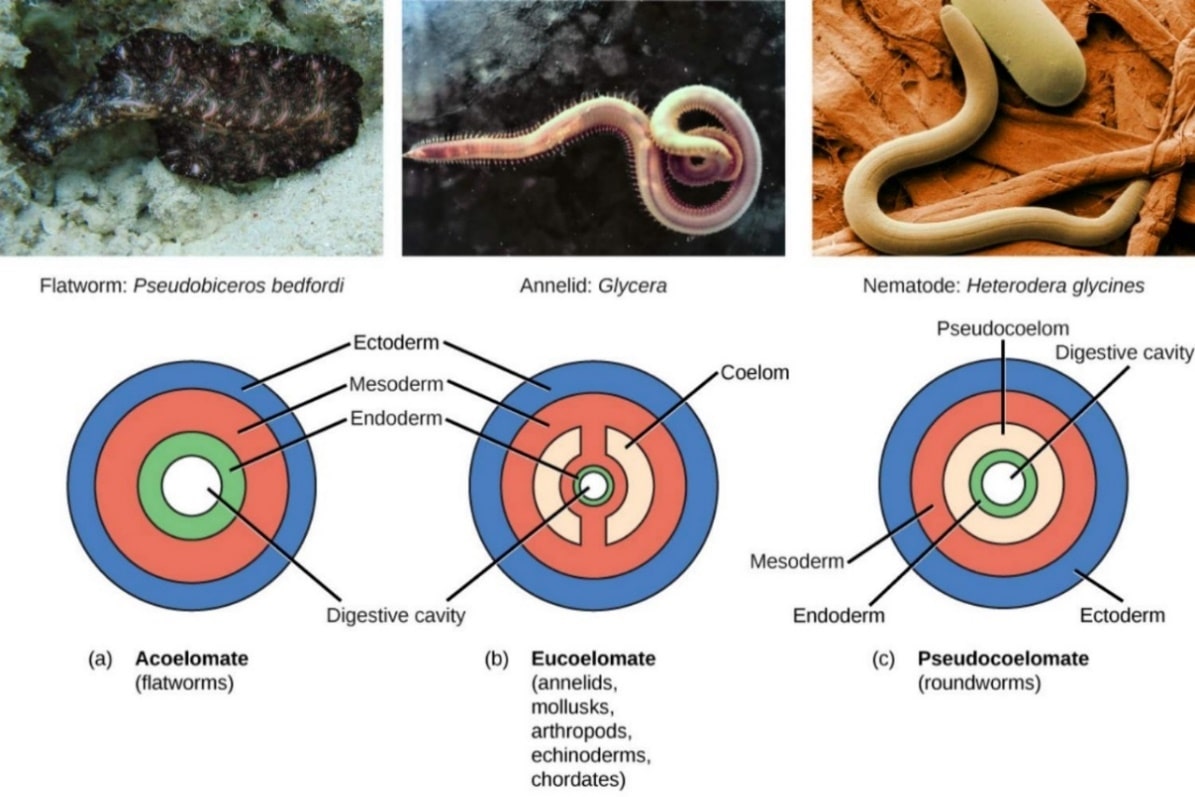

What are Acoelomate:
- Acoelomates are a group of animals that lack a coelom, which is a fluid-filled body cavity found in many other animals.
- They belong to the phylum Platyhelminthes, which includes flatworms, and are considered to be the simplest animals with bilateral symmetry.
- Acoelomates are animals that lack a true body cavity, meaning they do not have a fluid-filled space between their gut and body wall.
- Instead, their organs are embedded directly in the mesodermal tissue, which is the middle layer of embryonic tissue.
Perspectives:
- Dr. Sarah Johnson: Dr. Johnson suggests that acoelomates have a remarkable ability to adapt to changing environmental conditions, making them resilient organisms in the face of environmental disturbances.
- Dr. Robert Wilson: Indicates that acoelomates contribute significantly to the breakdown of organic matter, facilitating nutrient availability for other organisms in the ecosystem.
- Dr. Emily Brown: She has discovered unique adaptations in acoelomate species that allow them to detect and respond to environmental cues, enhancing their survival and reproductive success.
- Dr. Thomas Anderson: Dr. Anderson suggests that acoelomates represent an early branch in the evolutionary tree of animals, providing insights into the origins of complex body plans.
Body Structure of Acoelomates:
1. Body Symmetry:
- Acoelomates typically exhibit bilateral symmetry, meaning their body can be divided into two equal halves along a single plane.
- This symmetry allows for efficient movement and coordination of body parts.
2. Body Shape:
- Acoelomates can have various body shapes, including elongated, flattened, or cylindrical.
- The absence of a coelom allows for a more compact body structure.
3. Body Covering:
- Acoelomates have a thin, non-cellular outer covering called the tegument.
- The tegument protects the body from external environment and aids in gas exchange.
4. Digestive System:
- Acoelomates possess a simple digestive system with a single opening called the mouth.
- Food is ingested through the mouth and waste is expelled through the same opening.
5. Nervous System:
- Acoelomates have a primitive nervous system consisting of a nerve net.
- The nerve net allows for basic sensory perception and coordination of movement.
6. Excretory System:
- Acoelomates lack specialized excretory organs such as kidneys.
- Waste products are eliminated through diffusion across the body surface.
7. Reproductive System:
- Acoelomates can reproduce sexually or asexually.
- Sexual reproduction involves the exchange of gametes between individuals, while asexual reproduction can occur through fission or regeneration.
Examples of Acoelomates:
- Flatworms (Platyhelminthes) such as planarians, tapeworms, and flukes.
- Ribbon worms (Nemertea).
- Gastrotrichs.
- Gnathostomulids.
- Acanthocephalans.
- Orthonectids.
- Rotifers.
- Mesozoans.
Reproduction and Development in Acoelomates:
- Acoelomates reproduce both sexually and asexually.
- Sexual reproduction involves the fusion of gametes produced by separate individuals.
- Some acoelomates are hermaphroditic, possessing both male and female reproductive organs.
- Asexual reproduction can occur through fission, where the organism splits into two identical individuals.
- Some acoelomates can also regenerate lost body parts through a process called regeneration.
- Fertilization can be internal or external, depending on the species.
- Development in acoelomates can be direct, where the offspring resemble miniature adults, or indirect, involving larval stages.
- Some acoelomates exhibit complex reproductive behaviors, such as courtship rituals and mating displays.
Feeding and Digestion in Acoelomates:
- Acoelomates exhibit a wide range of feeding strategies, including filter feeding, predation, and parasitism.
- Many acoelomates are carnivorous, feeding on small invertebrates or organic matter.
- Some acoelomates are herbivorous, feeding on algae or plant material.
- Acoelomates have a simple digestive system, consisting of a mouth, pharynx, and intestine.
- Digestion in acoelomates can be extracellular, where enzymes are secreted into the digestive cavity, or intracellular, where cells engulf and digest food particles.
- Some acoelomates have specialized structures for feeding, such as a muscular pharynx or a proboscis for capturing prey.
- Nutrients are absorbed through the body wall or transported through a simple circulatory system.
- Waste products are eliminated through excretion or diffusion across the body surface.
Circulatory and Respiratory Systems in Acoelomates:
- Lack of a true circulatory system: Acoelomates, such as flatworms, do not possess a closed circulatory system with blood vessels. Instead, they rely on diffusion to transport gases and nutrients throughout their body.
- Simple respiratory structures: Acoelomates have a thin body wall that allows for direct exchange of gases with the environment. Oxygen and carbon dioxide diffuse across the body surface.
- Lack of specialized respiratory organs: Unlike some other animals, acoelomates do not possess specialized respiratory organs like gills or lungs. Their respiratory needs are met through the diffusion process.
- Limited size and metabolic requirements: Acoelomates are generally small in size, which allows for efficient diffusion of gases and nutrients. Their metabolic requirements are relatively low, making diffusion sufficient for their needs.
- Adaptations for increased surface area: Some acoelomates have evolved adaptations to increase their surface area for better gas exchange. For example, flatworms may have branched or folded body structures to maximize the surface area available for diffusion.
- Oxygen transport: While acoelomates lack a true circulatory system, they have specialized cells called flame cells that help in excretion and osmoregulation. These cells also aid in the transport of oxygen and other substances within the body.
- Limited ability for active movement: The reliance on diffusion for gas exchange limits the size and metabolic activity of acoelomates. They have a relatively low capacity for active movement due to the limitations of their respiratory system.
Nervous System and Sensory Organs in Acoelomates:
- Simple nervous system: Acoelomates have a relatively simple nervous system compared to more complex animals. They possess a nerve net that allows for basic coordination and response to stimuli.
- Lack of centralized ganglia: Unlike some other animals, acoelomates do not have centralized ganglia or a brain. Their nervous system is decentralized, with nerve cells distributed throughout their body.
- Sensory organs: Acoelomates possess sensory structures such as eyespots or photoreceptor cells that allow them to detect light and shadows. These sensory organs help them navigate their environment and respond to stimuli.
- Chemoreception: Acoelomates may have chemoreceptor cells that allow them to detect chemical cues in their surroundings. This helps them locate food sources or avoid potential predators.
- Tactile sensitivity: Acoelomates have specialized cells that allow them to sense touch and vibrations in their environment. This helps them navigate and interact with their surroundings.
- Limited sensory capabilities: Due to their simple nervous system, acoelomates have limited sensory capabilities compared to more complex animals. They may not possess advanced senses like hearing or taste.
- Rapid response to stimuli: Despite their limited sensory capabilities, acoelomates can exhibit rapid responses to stimuli. Their decentralized nervous system allows for quick coordination of movements and reactions.
- Adaptations for survival: Acoelomates have evolved various adaptations to enhance their sensory abilities. For example, some flatworms have developed specialized sensory structures on their head region to detect prey or potential threats.
Ecological Roles and Interactions of Acoelomates:
- Predators: Acoelomates, such as flatworms, can act as predators in various ecosystems. They feed on small invertebrates, including other worms, crustaceans, and mollusks.
- Prey: Acoelomates also serve as prey for larger organisms, including fish, birds, and other invertebrates. Their small size and abundance make them an important food source in many ecosystems.
- Decomposers: Some acoelomates play a role in decomposition by feeding on dead organic matter. They help break down organic material and recycle nutrients back into the ecosystem.
- Symbiotic relationships: Acoelomates can form symbiotic relationships with other organisms. For example, some flatworms live in symbiosis with coral reefs, providing protection and receiving nutrients in return.
- Parasites: Certain acoelomates are parasitic, living inside or on the bodies of other organisms. They can cause harm and disease to their hosts, affecting their overall health and survival.
- Environmental indicators: Acoelomates can serve as indicators of environmental health and pollution. Their sensitivity to changes in oxygen levels and water quality makes them useful in assessing ecosystem conditions.
Evolutionary Significance of Acoelomates:
- Early evolutionary branch: Acoelomates are considered one of the earliest branching groups in the animal kingdom. Studying them provides insights into the evolutionary origins of more complex animal groups.
- Simple body plan: Acoelomates have a simple body plan, lacking a true body cavity (coelom) and complex organ systems.
- Transition from radial to bilateral symmetry: Acoelomates represent a transitional stage in the evolution of bilateral symmetry. They exhibit bilateral symmetry, but also retain some characteristics of radial symmetry seen in more primitive animals.
- Evolution of complex organ systems: Acoelomates provide clues about the evolutionary steps leading to the development of more complex organ systems found in higher animals. Studying their anatomy and physiology helps trace the origins of specialized structures and functions.
- Adaptations to diverse habitats: Acoelomates have successfully adapted to a wide range of habitats, including marine, freshwater, and terrestrial environments. Their ability to thrive in different ecological niches sheds light on the evolutionary processes that drive adaptation and diversification.
- Evolutionary relationships: Acoelomates have close evolutionary relationships with other animal groups, such as flatworms and cnidarians.
- Evolution of nervous systems: Acoelomates possess a simple nervous system, which provides insights into the early evolution of neural structures. Studying their nervous system helps understand the origins of more complex nervous systems seen in higher animals.
- Evolutionary constraints: Acoelomates exhibit certain evolutionary constraints due to their simple body plan and lack of specialized organ systems.
Coelomate in Zoology


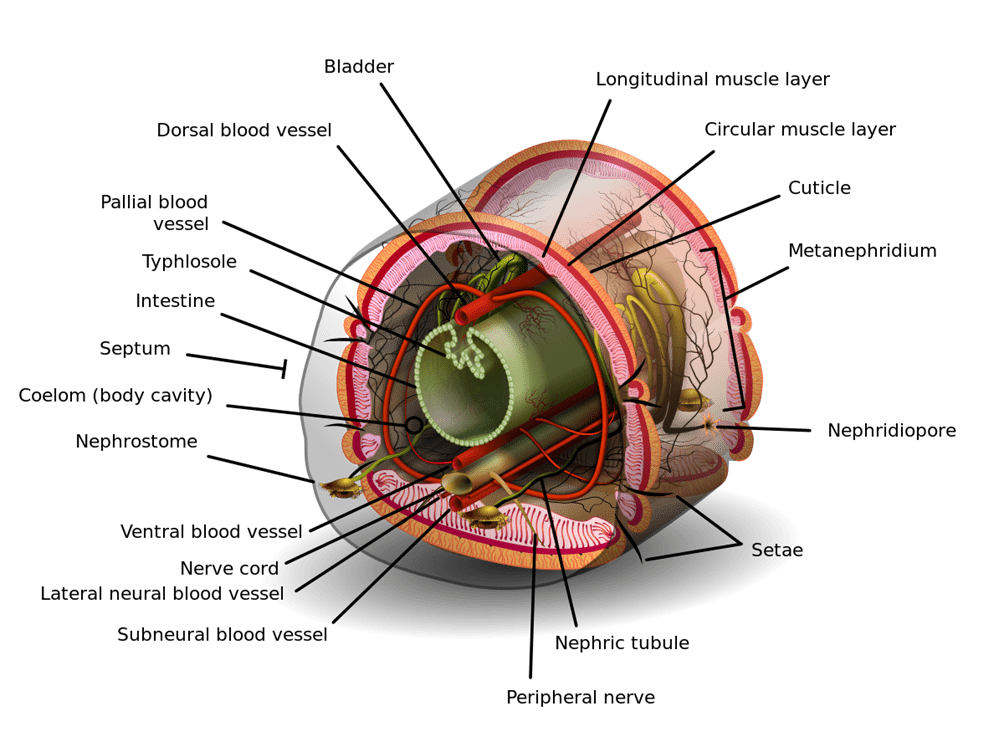
Introduction to Coelomate:
- The coelom is a body cavity found in many animals that surrounds and contains organs like the digestive tract.
- In some animals, the coelom is lined with mesothelium, while in others, like molluscs, it remains undifferentiated.
- Coelom characteristics have been used in the past to classify bilaterian animal phyla into informal groups based on practical purposes.
Examples of Coelomate:
- Mammals: Mammals, including humans, are coelomate animals. The coelom in mammals is divided into various compartments, such as the thoracic and abdominal cavities, which house organs like the heart, lungs, liver, and intestines.
- Birds: Birds also possess a coelom, which is divided into different regions. The coelomic cavity in birds contains organs like the heart, lungs, liver, and reproductive organs.
- Reptiles: Reptiles, such as snakes, lizards, and turtles, have a coelom that houses their internal organs. The coelomic cavity in reptiles is well-developed and allows for efficient organ function.
- Fish: Fish are coelomate animals, although their coelom is relatively small compared to other vertebrates. The coelomic cavity in fish contains organs like the heart, liver, and swim bladder.
- Insects: Insects are coelomate animals, but their coelom is reduced and not as well-developed as in vertebrates. The coelomic cavity in insects contains the reproductive organs and some digestive structures.
- Annelids: Annelids, such as earthworms and leeches, possess a well-developed coelom. The coelomic cavity in annelids allows for the movement and development of their internal organs.
- Mollusks: Mollusks, including snails, clams, and squids, have a coelom that is reduced and not as extensive as in other coelomate animals. The coelomic cavity in mollusks contains organs like the heart, digestive system, and reproductive organs.
- Echinoderms: Echinoderms, such as starfish and sea urchins, possess a coelom that is divided into various compartments. The coelomic cavity in echinoderms houses their internal organs and also plays a role in their unique water vascular system.
Development of Coelom:
- Formation: Coelom develops during embryonic development through a process called enterocoely or schizocoely.
- Mesoderm: Coelom is derived from the mesoderm, one of the three primary germ layers in the embryo.
- Mesodermal pouches: Initially, mesodermal pouches form on either side of the developing gut tube.
- Fusion: These pouches then fuse together, creating a continuous cavity called the coelom.
- Lining: The inner lining of the coelom is formed by the mesoderm, while the outer lining is formed by the body wall.
- Coelomic fluid: The coelom is filled with coelomic fluid, which acts as a cushioning medium and aids in the movement of organs.
- Evolutionary significance: The development of a coelom allowed for the evolution of more complex body structures and organ systems in animals.
- Variations: Different animal groups exhibit variations in coelom development, such as the presence of a true coelom, pseudocoelom, or acoelom.
Coelomate Body Plan:
- Definition: Coelomate animals possess a true coelom, a fluid-filled body cavity completely lined by mesoderm.
- Three tissue layers: Coelomates have three germ layers - ectoderm, mesoderm, and endoderm - which give rise to different tissues and organs.
- Organ arrangement: Organs are suspended within the coelom, allowing for greater organization and specialization.
- Body symmetry: Coelomates can exhibit different types of body symmetry, such as bilateral symmetry (e.g., humans) or radial symmetry (e.g., starfish).
- Complexity: The presence of a coelom allows for the development of more complex organ systems, such as a circulatory system, respiratory system, and digestive system.
- Evolutionary advantage: The coelom provides protection to internal organs, enables efficient movement, and allows for the development of larger body sizes.
- Adaptability: Coelomates have a higher degree of adaptability to different environments due to their complex body plan.
- Examples: Coelomate animals include vertebrates (fish, reptiles, mammals), annelids (earthworms, leeches), mollusks (snails, clams), and arthropods (insects, crustaceans).
Coelomate Animals:
- Vertebrates: All vertebrates, including humans, possess a coelom. It allows for the development and protection of vital organs such as the heart, lungs, and digestive system.
- Annelids: Annelids, such as earthworms and leeches, have a well-developed coelom that aids in their locomotion and digestion.
- Mollusks: Many mollusks, such as snails and clams, have a coelom that helps in the movement of their muscular foot and houses their internal organs.
- Arthropods: Arthropods, including insects and crustaceans, have a modified coelom called a hemocoel, which functions as an open circulatory system.
- Echinoderms: Echinoderms, like starfish and sea urchins, possess a coelom that aids in their movement and digestion.
- Coelenterates: Coelenterates, such as jellyfish and corals, lack a true coelom but have a gastrovascular cavity that serves similar functions.
- Coelomate diversity: Coelomate animals exhibit a wide range of body forms, sizes, and ecological adaptations, showcasing the versatility of the coelom.
- Evolutionary significance: The presence of a coelom is considered an important milestone in animal evolution, allowing for increased complexity and specialization.
Coelomate Body Structure:
- Definition: Coelomate animals possess a true coelom, which is a fluid-filled body cavity completely lined by mesoderm.
- Three tissue layers: Coelomates have three tissue layers - ectoderm, mesoderm, and endoderm - that give rise to various organs and systems.
- Body symmetry: Coelomates can exhibit bilateral symmetry (e.g., humans) or radial symmetry (e.g., starfish).
- Segmentation: Many coelomates exhibit segmentation, where the body is divided into repeated segments, allowing for specialization and efficiency.
- Body wall: The body wall of coelomates consists of outer layers of muscle and connective tissue, providing support and protection.
- Organ placement: Coelomates have well-organized organ systems, with organs suspended within the coelom and connected by mesenteries.
- Increased complexity: The presence of a coelom allows for the development of more complex organ systems, such as a circulatory system, respiratory system, and digestive system.
- Adaptability: Coelomate body structure provides adaptability and flexibility, enabling animals to move efficiently and respond to environmental changes.
Coelomate Organ Systems:
- Circulatory system: Coelomates possess a well-developed circulatory system, with a heart or hearts pumping blood through vessels to transport nutrients, oxygen, and waste products.
- Respiratory system: Coelomates have specialized structures for respiration, such as lungs, gills, or tracheae, allowing for the exchange of gases.
- Digestive system: Coelomates possess a complete digestive system, including a mouth, esophagus, stomach, and intestines, for the breakdown and absorption of nutrients.
- Excretory system: Coelomates have excretory organs, such as kidneys or nephridia, that filter waste products from the blood and eliminate them from the body.
- Nervous system: Coelomates possess a centralized nervous system, with a brain and nerve cords, allowing for coordination and response to stimuli.
- Reproductive system: Coelomates have specialized reproductive organs for sexual reproduction, including gonads and ducts for the production and transport of gametes.
- Skeletal system: Coelomates may have an internal or external skeletal system, providing support, protection, and attachment points for muscles.
- Sensory system: Coelomates possess sensory organs, such as eyes, ears, and antennae, allowing for the detection and interpretation of environmental stimuli.
Coelomate Diversity:
- Coelomate groups: Coelomates include various animal phyla such as Annelida (segmented worms), Mollusca (snails, clams, octopuses), Arthropoda (insects, crustaceans), and Chordata (vertebrates).
- Body plan variations: Coelomates exhibit diverse body plans, ranging from simple to complex, allowing for different modes of locomotion, feeding, and reproduction.
- Segmentation: Many coelomates, particularly annelids and arthropods, exhibit segmentation, which provides flexibility and specialization of body regions.
- Complexity of organ systems: Coelomates possess well-developed organ systems, including a complete digestive tract, circulatory system, and excretory system.
- Sensory adaptations: Coelomates have evolved various sensory adaptations, such as eyes, antennae, and chemoreceptors, to detect and respond to their environment.
- Reproductive strategies: Coelomates employ diverse reproductive strategies, including internal fertilization, external fertilization, and asexual reproduction, allowing for adaptation to different ecological niches.
Coelomic locomotion:
- Definition: Coelomic locomotion refers to the movement of animals that utilize their coelom as a means of propulsion and support.
- Hydrostatic skeleton: Coelomates with a fluid-filled coelom, such as annelids and echinoderms, use hydrostatic pressure to control body shape and movement.
- Peristaltic movement: Many coelomates, including annelids and some mollusks, employ peristaltic contractions of their coelomic muscles to move in a wave-like motion.
- Setae and bristles: Annelids possess setae or bristles on their body segments, which aid in anchoring and gripping the substrate during locomotion.
- Jointed appendages: Arthropods, such as insects and crustaceans, have jointed appendages that allow for diverse forms of locomotion, including walking, swimming, and flying.
- Muscular foot: Mollusks, like snails and clams, use a muscular foot to crawl, burrow, or attach to surfaces.
- Fin propulsion: Some coelomates, particularly fish and other aquatic vertebrates, use fins to generate thrust and maneuver in water.
- Limb adaptations: Coelomates with limbs, such as reptiles, birds, and mammals, have evolved various adaptations for terrestrial locomotion, including running, climbing, and flying.
Coelomate Adaptations and Evolution:
- Coelom as a protective cushion: The coelom provides a protective cushion for internal organs, reducing the risk of damage from external forces.
- Enhanced organ development: The presence of a coelom allows for the development and organization of complex organ systems, facilitating efficient physiological processes.
- Increased body size: Coelomates can achieve larger body sizes compared to acoelomates, as the coelom provides space for organ expansion and movement.
- Improved locomotion: The coelom allows for more efficient and versatile locomotion, enabling coelomates to occupy diverse habitats and exploit different food sources.
- Enhanced circulation and gas exchange: The coelom facilitates the circulation of nutrients, gases, and waste products, improving metabolic efficiency.
- Reproductive adaptations: Coelomates have evolved reproductive adaptations, such as specialized reproductive organs and internal fertilization, increasing reproductive success.
- Coelom as a hydrostatic skeleton: The coelom functions as a hydrostatic skeleton in some coelomates, providing support and flexibility for movement.
- Coelomate evolution: The evolution of coelomates is believed to have occurred during the Cambrian explosion, leading to the diversification of animal body plans and the colonization of various ecological niches.
Coelomate Reproduction and Development:
- Sexual reproduction: Most coelomates reproduce sexually, with separate male and female individuals. They typically have specialized reproductive organs for the production and transfer of gametes.
- Internal fertilization: Many coelomates have evolved internal fertilization, where the sperm is deposited directly into the female's reproductive tract, increasing the chances of successful fertilization.
- Embryonic development: Coelomates undergo embryonic development, which involves the formation of germ layers (ectoderm, mesoderm, and endoderm) and the development of a coelom, a fluid-filled body cavity.
- Direct development: Some coelomates exhibit direct development, where the offspring resemble miniature adults and do not go through a larval stage.
- Indirect development: Other coelomates undergo indirect development, where they have a larval stage that undergoes metamorphosis to reach the adult form.
- Parental care: In some coelomates, parental care is observed, where adults provide protection, food, or shelter to their offspring, increasing their chances of survival.
- Reproductive strategies: Coelomates exhibit a wide range of reproductive strategies, including internal brooding, external egg deposition, or live birth, depending on their ecological niche and environmental conditions.
- Reproductive adaptations: Coelomates have evolved various reproductive adaptations, such as courtship behaviors, mating displays, or specialized structures for copulation, to increase reproductive success.
Coelomate Evolutionary History:
- Origin of coelomates: Coelomates evolved from a common ancestor with a simple body plan, likely acoelomate organisms, through the development of a coelom.
- Early coelomates: The earliest known coelomates appeared during the Cambrian period, around 540 million years ago, and were likely marine organisms.
- Coelomate diversity: Coelomates diversified rapidly during the Cambrian explosion, giving rise to various phyla, including annelids, arthropods, mollusks, and chordates.
- Evolution of body plans: Coelomates played a crucial role in the evolution of complex body plans, such as bilateral symmetry, segmentation, and the development of specialized organ systems.
- Coelomate adaptations: Coelomates have evolved various adaptations to different environments, such as the development of exoskeletons in arthropods or the evolution of lungs in terrestrial vertebrates.
- Coelomate phylogeny: Through molecular and morphological studies, scientists have reconstructed the phylogenetic relationships among coelomates, providing insights into their evolutionary history.
- Coelomate evolutionary milestones: Key evolutionary milestones in coelomate history include the development of jointed appendages in arthropods, the evolution of jaws in vertebrates, and the emergence of flight in insects.
- Extinction events: Coelomates have experienced several mass extinction events throughout their evolutionary history, with some lineages going extinct while others diversified and adapted to new ecological niches.
Coelomate Diversity and Ecological Roles:
- Ecological niches: Coelomates occupy diverse ecological niches, including marine, freshwater, and terrestrial habitats, and play essential roles in ecosystem functioning.
- Predators and prey: Many coelomates are predators, feeding on other organisms, while others serve as prey for larger animals, contributing to energy transfer and trophic interactions.
- Decomposers: Some coelomates, such as earthworms and dung beetles, play crucial roles in decomposition processes, breaking down organic matter and recycling nutrients in ecosystems.
- Pollinators: Coelomates, such as bees, butterflies, and birds, act as pollinators, facilitating the reproduction of flowering plants and contributing to plant diversity.
- Ecosystem engineers: Coelomates like beavers and ants modify their habitats, creating dams, burrows, or mounds, which can have significant impacts on local ecosystems and biodiversity.
- Symbiotic relationships: Coelomates engage in various symbiotic relationships, such as mutualism with plants for pollination or mycorrhizal associations, benefiting both the coelomate and its partner.
- Nutrient cycling: Coelomates contribute to nutrient cycling by consuming organic matter, excreting waste products, and redistributing nutrients within ecosystems.
- Keystone species: Some coelomates, like sea otters or elephants, are considered keystone species, as their presence or absence can have cascading effects on the entire ecosystem.
Conclusion
Acoelomate and Coelomate organisms represent fundamental evolutionary adaptations in the animal kingdom. Acoelomates, like flatworms, lack a body cavity, limiting organ complexity. In contrast, coelomates, such as annelids and vertebrates, possess a true coelom, facilitating advanced organ development and efficient physiological processes. As Hyman noted, "The coelom is a major evolutionary innovation." Future research could explore genetic mechanisms driving these adaptations, enhancing our understanding of evolutionary biology and potential applications in biotechnology.